Monthly NewsletterSign Up for Our Monthly Newsletter
Health • Life Insurance • Local Events • Useful Updates
Lee's Health & Protection Center
What matters now — explained clearly.
Current health information, life insurance and protection updates, local events, and practical next steps. No news dump. No jargon. Just the important part, who it may help, and where to learn more.
LEE'S MESSAGE“Early detection saves lives.”Use good information to start better conversations.
Current updates9 worth knowing
Upcoming events30 source-checked
Lowcountry focusCharleston + Tri-County
Last content checkAug. 13, 2026
Choose What You Need
You should not have to search the whole internet first.
Start with the reason you came. The system should get you to useful information quickly.
Worth Knowing Now
Three things Lee's community may want on their radar.
MEN'S HEALTH
NEW FROM MUSC HOLLINGS
A screening conversation can change what happens next.
A 2026 MUSC Hollings study found that prostate cancer screening conversations were documented infrequently in primary care, but men were much more likely to receive PSA screening when those conversations happened.
Who should pay attention?Men considering prostate screening, especially Black men and families with prostate cancer history.
Why Lee is sharing itStarting the prostate cancer conversation is one of the central messages in Lee's survivor advocacy.
MUSC + Hollings Connections
Programs connected to Lee's work — and services people can use.
This is not a generic MUSC feed. These are programs tied directly to Lee's advocacy or closely aligned with the screening, survivorship, prevention, and community-health work he shares.
PROSTATE CANCERDirect Lee connection
SC AMEN
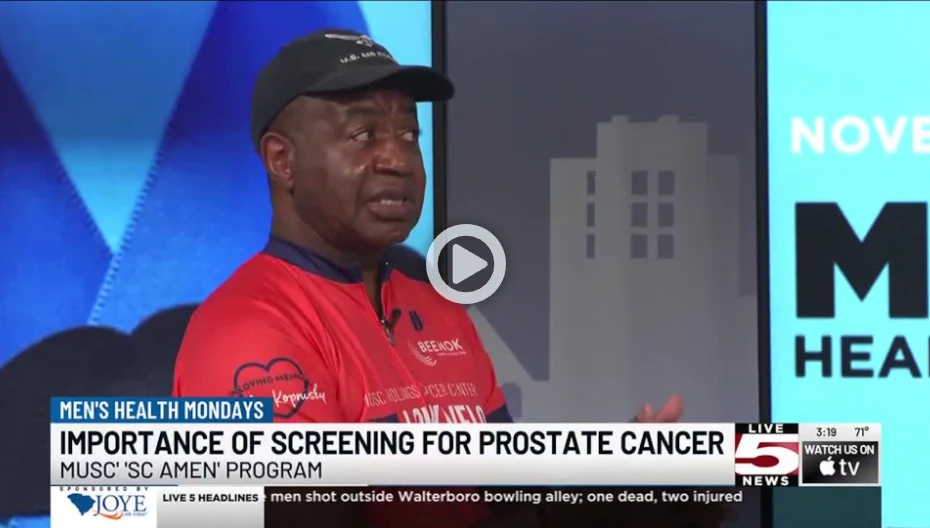
MUSC Hollings' prostate cancer education and navigation program for African American men. Lee has been publicly featured by MUSC as an ambassador for the program.
Current program focus: education, navigation to screening, and follow-up for Black men ages 40–69.
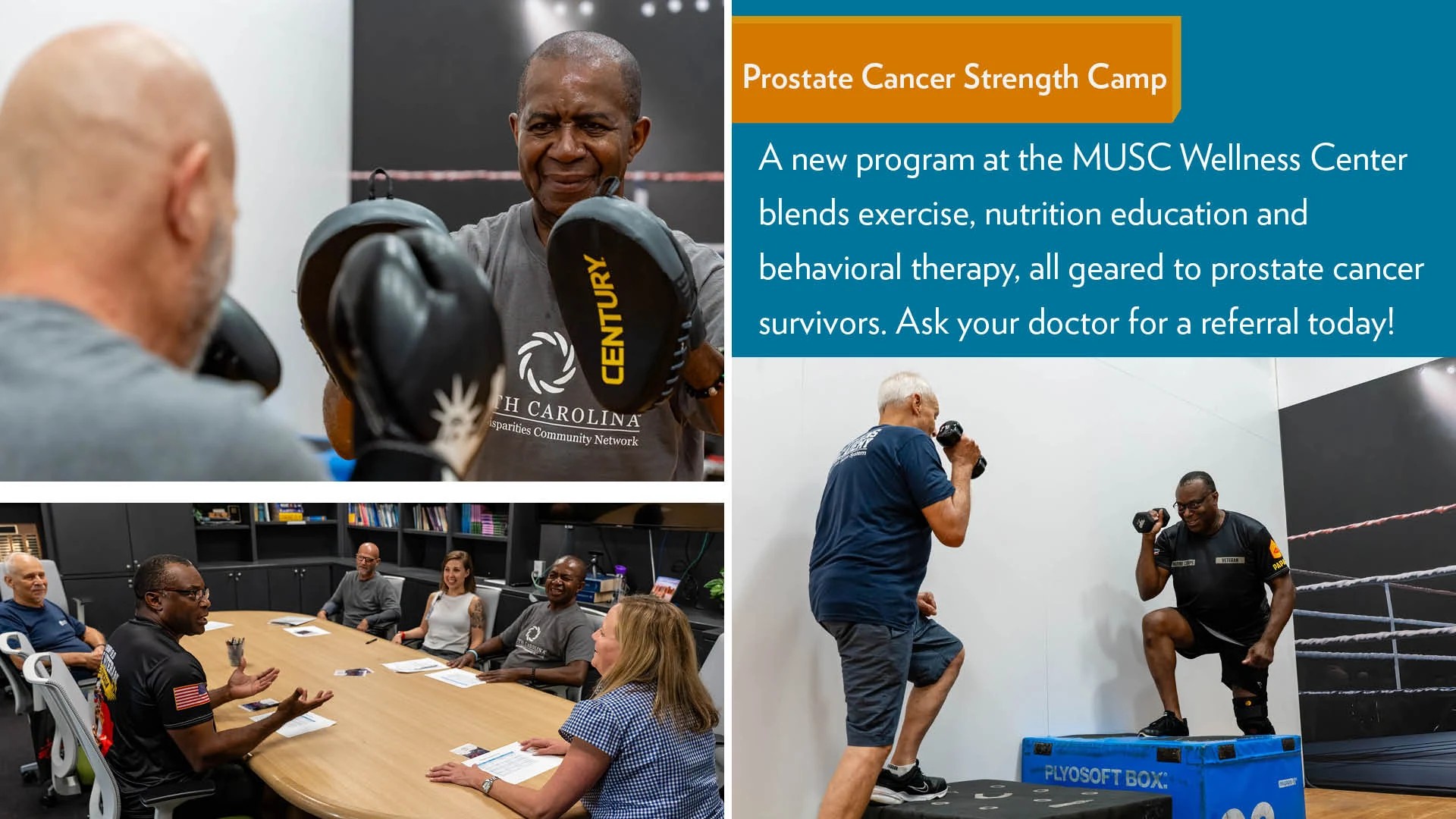
Lee participated in the inaugural MUSC program. The current 2026 session supports prostate cancer survivors with structured fitness, education, and fellowship.
Current session: July 21–Oct. 1 · Tuesdays & Thursdays · 12:30–2 p.m. · physician clearance required.
Lee has helped encourage community participation in MUSC's population-health genetics work. The project is currently enrolling eligible South Carolina adults at no cost.
Several current collection events are now included in the event calendar below.
MOBILE SCREENINGCommunity service
Hollings Mobile Health Unit
Breast and cervical cancer screening travels into communities across South Carolina. The full current 2026 schedule is now built into this page instead of showing only a few stops.
Appointments required: 843-792-0878. Where a public time is verified, the calendar shows it.
Coming Up
Real events people can actually use.
LOCAL + VIRTUALScreenings, protection education, caregiver programs, veteran support, and other useful opportunities.
Health & Protection Updates
What changed. Why it matters. What to do next.
You get the important part first. Then see who may want to pay attention, why Lee is sharing it, and the original source.
LEE'S RULERead the short version. Check the source. Ask questions.
Current Updates
Find what matters to you.
These summaries are educational. Important health and Medicare details remain tied to authoritative or official sources.
Health & Protection Events
Find something useful happening near you or online.
The easy view starts with upcoming events. Switch to the month calendar whenever you want the bigger picture.
HOW IT WORKSFind it here. Confirm it with the organizer.Every event links back to the original host.
Upcoming First
Events Lee's community may actually use.
Each event explains who it may help and why it fits Lee's health and protection mission.
MUSC Hollings Community Service
Mobile Health Unit — complete upcoming schedule
The unit brings breast and cervical cancer screening and prevention education into communities across South Carolina. We now show every future stop currently published by MUSC Hollings, not only the Tri-County stops.
14 future stops currently listed from Aug. 13 through Dec. 14, 2026.
Appointments are required. Call MUSC at 843-792-0878 to schedule and confirm final details.
Services: clinical breast exams, mammograms, Pap smears, prevention education, self-screening instruction, and tobacco cessation support.
Select a locationChoose an event from the list to view its location.
No events match these filters.
MUSC HOLLINGS · MEN'S HEALTH
SC AMEN
Prostate cancer education, screening navigation, and follow-up support for African American men. This is one of Lee's strongest direct MUSC advocacy connections.
MUSC's vaccination unit brings HPV and other vaccines into communities statewide. No upcoming public dates are currently listed, so this stays a resource instead of a fake calendar event.
Volunteer transportation can help eligible cancer patients get to cancer-related medical appointments. Availability varies, so visitors are sent to the original program for arrangements.
These tools are not diagnoses and they are not insurance decisions. They help people think through what they may want to ask, review, or verify.
THE GOALMake the next conversation easier to start.
Choose a Checkpoint
Start where your question is.
Use these tools to prepare for a better conversation. Health questions belong with your healthcare provider; protection questions can start directly with Lee.
HEALTH
What should I be asking about at my age?
Screening, prevention, vaccination, sexual health, and other questions to discuss with your healthcare provider.
Does my current life insurance coverage still match my life?
Life changes. Your protection should keep up. Review beneficiaries, dependents, employer coverage, final expenses, and other life insurance needs with Lee.
Complimentary protection review with Lee H. Moultrie.
Stay Connected With LeeSign Up for Our Monthly Newsletter
Protection ReviewSchedule your 15-minute conversation with Lee.
Choose an available date and time below. This conversation is complimentary.




 MEN'S HEALTH