
Prepared Speeches
Learning to organize ideas around a clear opening, central message and purposeful conclusion.
Through Toastmasters, Lee strengthened the disciplines behind effective public speaking: preparation, structure, timing, audience awareness and confident delivery. Those skills now support presentations grounded in military service, civic engagement and healthcare advocacy.
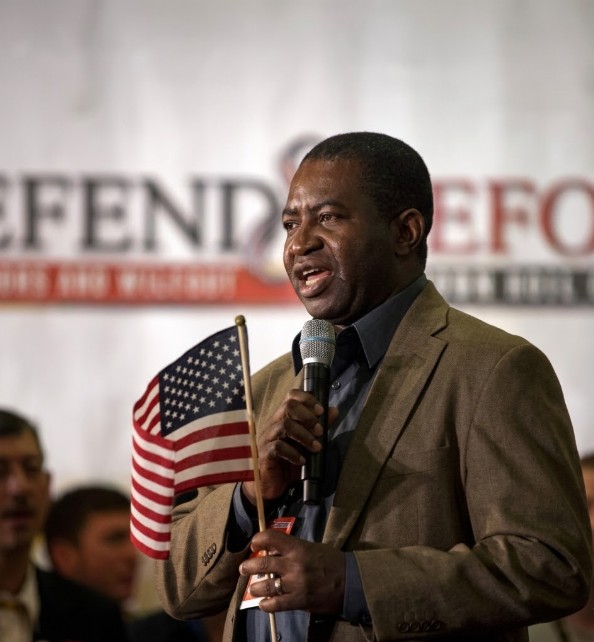
Toastmasters gave Lee a place to sharpen speeches, strengthen delivery and improve how he organizes and communicates a message.
That foundation now supports presentations informed by military service, healthcare advocacy, civic engagement and lived experience.
Explore Booking InformationUnderstand who is in the room and why the message matters to them.
Organize experience and information around a central purpose.
Use authentic experiences to make complex issues understandable.
Give the audience something useful to consider, discuss or act upon.
These skills shape how presentations are prepared, organized and adapted for different audiences and settings.
Learning to organize ideas around a clear opening, central message and purposeful conclusion.
Using feedback to improve clarity, pacing, delivery and audience connection.
Building the composure to communicate effectively in meetings, community forums and formal presentations.
Understanding that effective leadership depends on listening, preparation and communicating a message people can act on.
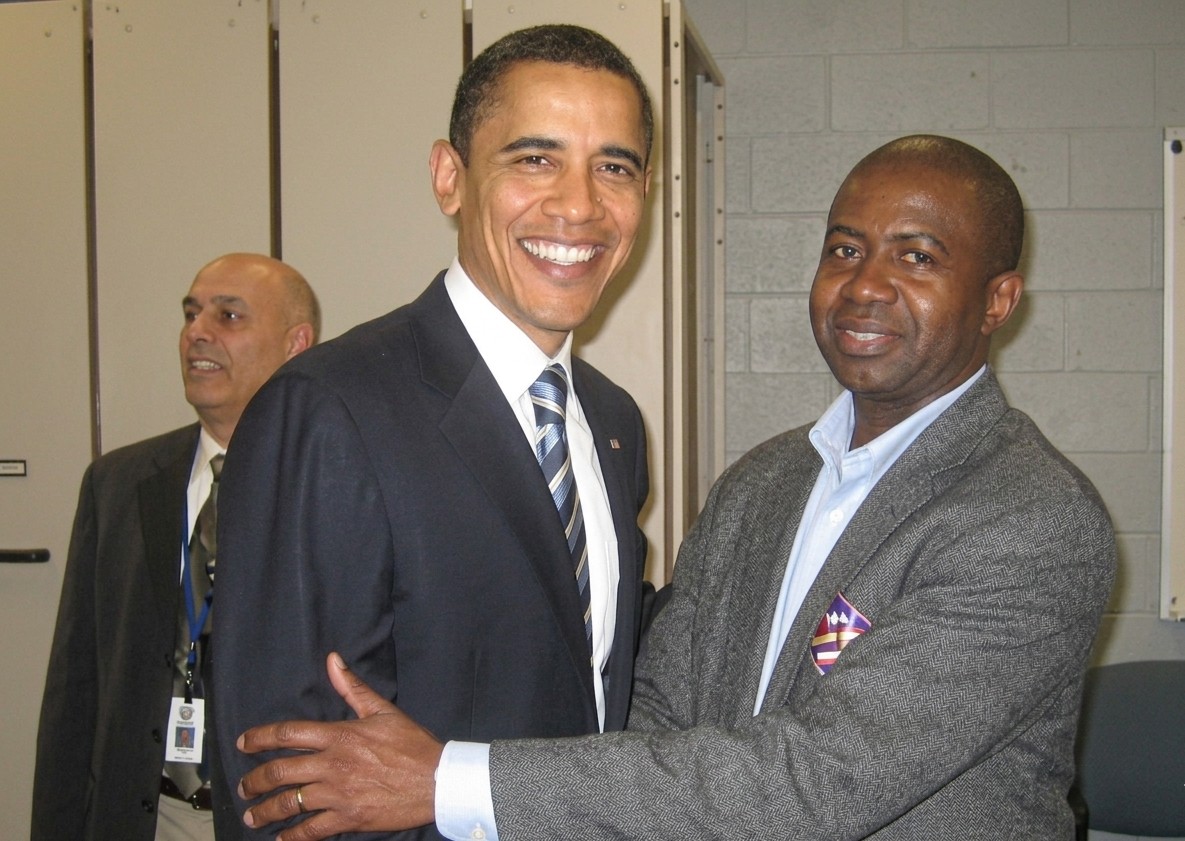
Lee’s public work has included conversations with community leaders, healthcare professionals, veterans, researchers and public officials. Those settings have required him to adapt the message while keeping the subject and audience at the center.
Topics can be adapted to the audience, event format and organization’s objectives. Final scope, timing and emphasis are confirmed during booking.
Lessons from prostate cancer screening, treatment decisions, recovery and using personal experience to help others.
Why institutions must engage communities through credible relationships, clear information and sustained presence.
How military discipline and responsibility can continue shaping leadership and community service after retirement.
Reflections on participation, advocacy and ensuring communities have a meaningful voice in the systems affecting them.
Practical lessons in relationship building, public engagement and creating stronger pathways to resources and opportunity.
Leadership rooted in listening, preparation, accountability and using experience in service of others.
Share the event details, audience and objectives. The team will follow up to discuss fit, format, scheduling and next steps.